Bill Summary
The FinCEN Oversight and Accountability Act of 2025 is a targeted oversight and transparency bill focused on the U.S. Treasury’s Financial Crimes Enforcement Network (FinCEN). FinCEN is the bureau that administers and enforces the Bank Secrecy Act (BSA) and runs the new beneficial ownership reporting system created by the Corporate Transparency Act, which collects information on who actually owns or controls companies. The bill does not change the core anti–money laundering laws, but it tightens congressional supervision of FinCEN, increases transparency around how Treasury delegates authority to FinCEN, extends how long the FinCEN Director must testify to Congress about beneficial ownership implementation, and requires new, recurring engagement with small businesses—without providing extra funding to do any of it.
Title I, Congressional Oversight, directs the Secretary of the Treasury to keep the House Financial Services Committee and the Senate Banking Committee fully and currently informed about FinCEN’s activities. That includes not only what FinCEN is doing now, but also any significant actions the bureau anticipates taking. If any unlawful activity by FinCEN occurs, Treasury must promptly report it to those committees and describe corrective actions taken or planned to prevent it from happening again. In short, this section formalizes a continuous reporting relationship between Treasury and the two relevant committees so lawmakers can monitor FinCEN’s operations in real time and respond quickly to problems.
Title II, FinCEN Accountability, has two parts. First, it creates a new transparency regime around “controlling documents.” These are records inside Treasury that delegate authority to FinCEN or its Director to carry out the BSA or the statute that created FinCEN. Treasury must provide to the two committees: every controlling document in effect at enactment, all new ones issued afterward, and any changes or revocations. Importantly, Treasury must also make these documents and changes available to the public, but it may withhold portions that fall under standard Freedom of Information Act (FOIA) exemptions, such as national security or sensitive law enforcement materials. This provision aims to clarify who has authorized FinCEN to act and under what guidance, addressing long-standing questions about internal delegation and policy direction within Treasury.
Pros
- Improves transparency and accountability of a powerful financial intelligence unit by requiring regular updates to Congress and public release of key delegation documents.
- Public posting of controlling documents, with FOIA protections, advances open government while safeguarding sensitive law-enforcement information.
- Extends oversight of the beneficial ownership program from 5 to 10 years, allowing more time to ensure privacy, data security, and equity concerns are addressed.
- Creates a formal, annual channel to hear from small businesses and provide guidance, which can improve compliance and reduce confusion about reporting obligations.
- Mandated reporting of any unlawful activity by FinCEN and corrective actions reinforces internal controls and responsible governance.
- Could surface implementation problems early and drive improvements to the beneficial ownership database’s usefulness for law enforcement and regulators.
- Strengthens congressional oversight of an influential agency, addressing concerns about regulatory overreach and the growth of the administrative state.
- Mandates disclosure of internal delegation documents so Congress and the public can see where FinCEN’s authority comes from and how it is being used.
- Extends the Director’s testimony requirement to ensure continued accountability over the beneficial ownership regime and its impact on privacy and business costs.
- Supports Main Street by requiring an annual small business working group focused on practical guidance and reducing confusion about reporting obligations.
- Promotes transparency to the public while still protecting truly sensitive material through established FOIA exemptions.
- Imposes no new spending, aligning with fiscal restraint and encouraging Treasury to prioritize and manage within existing resources.
Cons
- Imposes new mandates without additional funding, potentially diverting staff and resources from investigations and compliance modernization efforts.
- Requiring notice of “significant anticipated activity” may risk politicizing ongoing enforcement or supervisory actions and could chill operational agility.
- Public disclosure of controlling documents, even with FOIA exemptions, may inadvertently reveal strategic priorities or legal interpretations that adversaries can exploit.
- Focuses on congressional and public reporting rather than investing in data security, civil-liberties safeguards, or resources to handle the beneficial ownership rollout responsibly.
- The annual working group mandates process without guaranteeing material relief for small businesses (such as grants, safe harbors, or extended deadlines).
- Could be used to attack or constrain FinCEN’s work on politically sensitive topics (e.g., crypto, sanctions, politically exposed persons) instead of strengthening enforcement capacity.
- Does not roll back or limit the Corporate Transparency Act’s beneficial ownership rules; some conservatives may prefer repeal or broader reform rather than better implementation.
- FOIA exemptions may allow Treasury to shield too much, limiting the practical value of public disclosures.
- Adds bureaucratic process (annual working groups and continuous reporting) that could consume staff time without guaranteeing regulatory relief.
- By requiring Treasury to keep only two committees informed, the bill does not expand broader congressional access or strengthen tools for rank-and-file members.
- Previewing “significant anticipated activity” could risk leaks or compromise sensitive operations, raising separation-of-powers and security concerns.
- Fails to tackle other major BSA/AML burdens (e.g., SAR/CTR thresholds, de-risking, clarity for digital assets), representing a missed opportunity for broader reform.
This bill was introduced on January 03, 2025 in the House.
View on Congress.gov:
https://www.congress.gov/bill/119th-congress/house-bill/147
-
Jan 03, 2025
Referred to the House Committee on Financial Services.
H11100
-
Jan 03, 2025
Introduced in House
Intro-H
-
Jan 03, 2025
Introduced in House
1000
This bill has not yet been enacted into law.
No related bills found for this legislation.

Sponsors
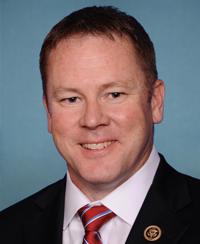
OH District 8
Republican
Policy Area: Finance and Financial Sector
Associated Legislative Subjects
- Congressional oversight
- Congressional-executive branch relations
- Fraud offenses and financial crimes
- Government ethics and transparency, public corruption
- Government information and archives
- Government studies and investigations